“Economy Explained” – Erasmus+ Training Course 26/04/2026 – 04/05/2026
Kolín, Czech Republic
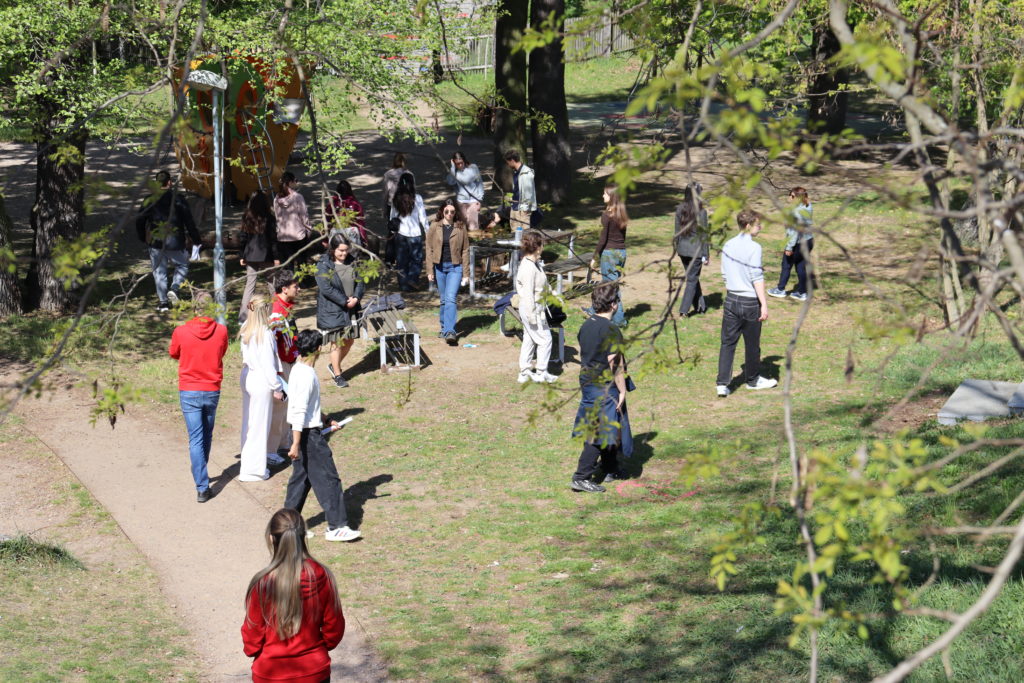
From 26th April to 4th May 2026, Kolín, Czech Republic hosted the Erasmus+ training course Economy Explained, a 7-day programme focused on the basics of economy, finance, and critical thinking. Bringing together youth workers from different European countries, the training created a space to better understand topics that often feel complicated, distant, or difficult to explain to young people.
Although economics and finance affect almost every part of our daily lives, many people never really get the chance to learn about them in a practical and accessible way. This training aimed to change that by approaching these topics through discussion, non-formal education, and real-life examples rather than complex theories or technical language.
Learning Beyond Numbers
Throughout the week, participants explored key economic and financial concepts while also reflecting on how these issues influence young people today. The programme focused not only on personal financial literacy, but also on developing critical thinking when looking at social and economic challenges.
Participants worked on understanding topics such as budgeting, financial decision-making, responsible use of financial services, and the way economic systems shape everyday life. At the same time, there was a strong emphasis on questioning information, analysing financial and social issues critically, and recognising how media and online content can influence opinions around money and economics.
The international group, including participants from Czechia, Poland, Spain, Italy, North Macedonia, Romania, Portugal, and Malta, brought many different perspectives into the discussions. Sharing experiences from different realities helped make the conversations more practical and relatable, especially when comparing financial habits, youth challenges, and education systems across countries.
Non-Formal Education in Practice
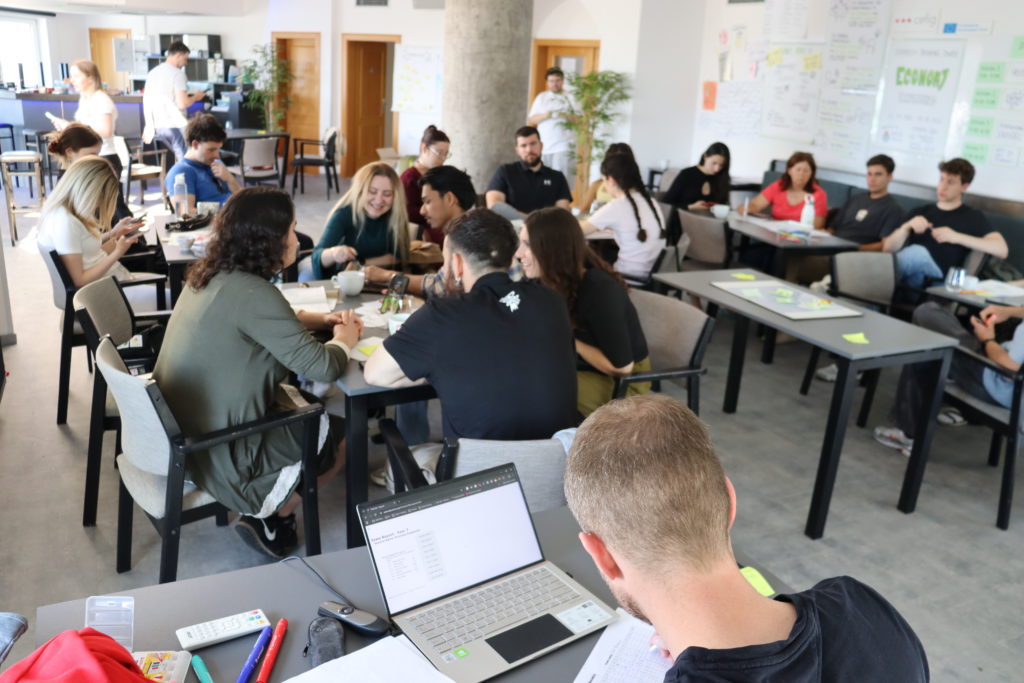
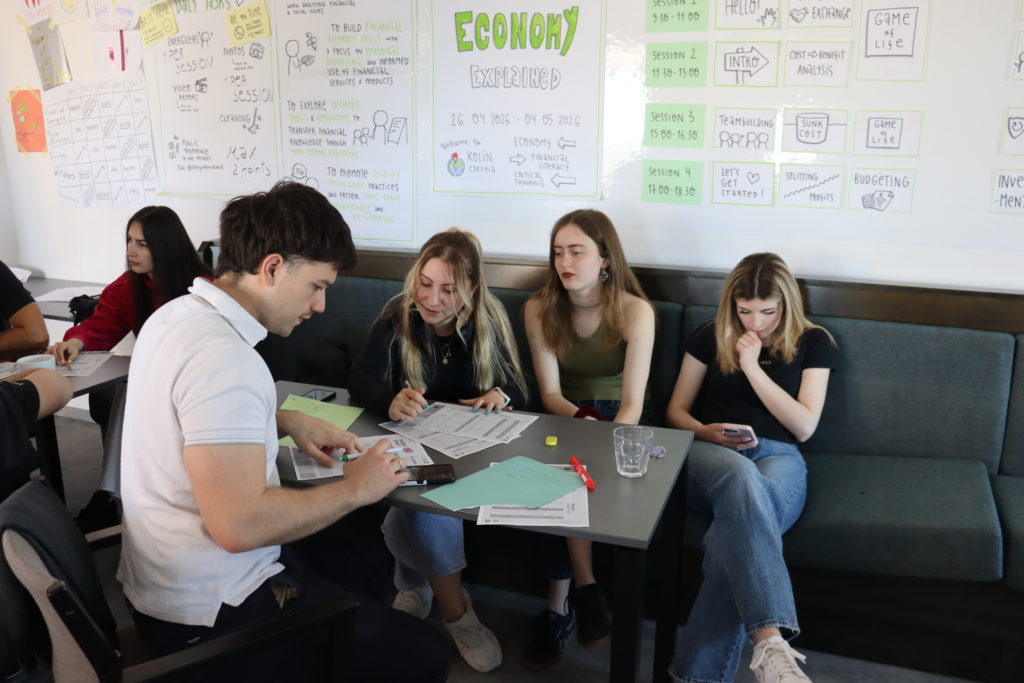
The training was built around non-formal learning methods, meaning participants learned through workshops, simulations, teamwork, discussions, and practical activities rather than traditional lectures. This created a more open and engaging environment where participants could actively exchange ideas and learn from each other’s experiences.
An important part of the programme focused on how to transfer financial knowledge to young people in an approachable way. Participants explored different educational tools and methods that can help make economic topics more understandable, interactive, and relevant in youth work settings.
By designing and testing activities together, participants were encouraged to think not only about their own learning, but also about how they could later use these approaches in their local communities and organisations.
More Than Financial Literacy
While the training focused on economics and finance, it also highlighted something broader: the importance of helping young people feel informed, confident, and capable of making decisions in a world that can often feel financially overwhelming.
By the end of the course, participants left with stronger financial literacy skills, new educational ideas, and a wider network of people interested in improving youth work through practical learning. More importantly, the training showed that economy and finance do not have to remain abstract or intimidating topics—they can become tools for empowerment, critical thinking, and greater independence.
🌎 Erasmus+ Training Course “Economy Explined” is funded by the Erasmus+ Programme.