“Connecting the Dots” – Erasmus+ Training Course 10/01/2026 – 18/01/2026
Kolín, Czech Republic
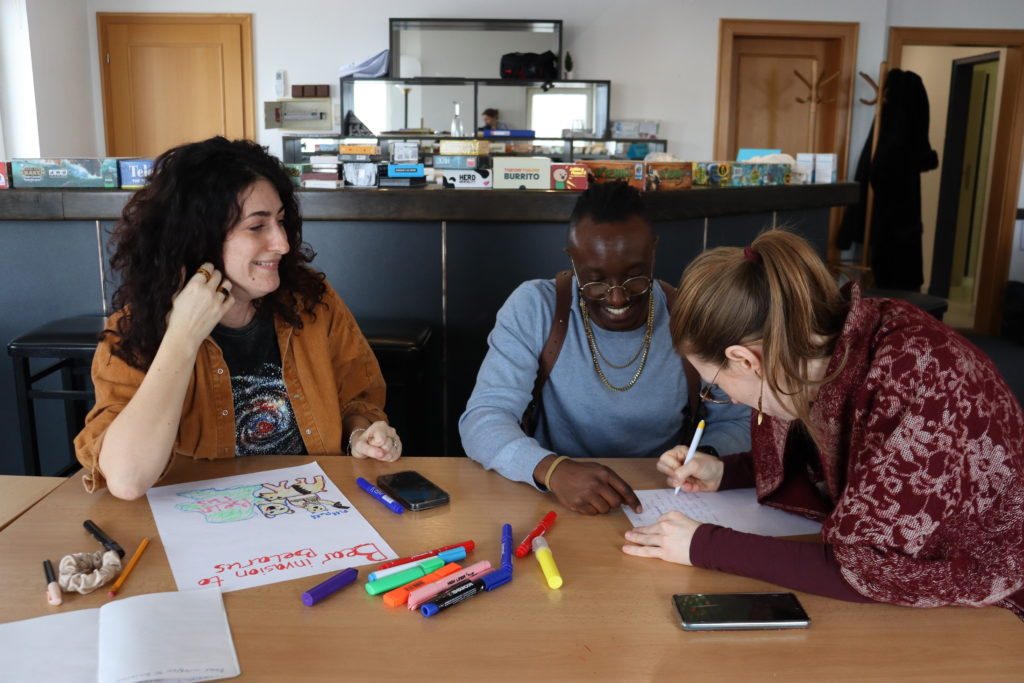
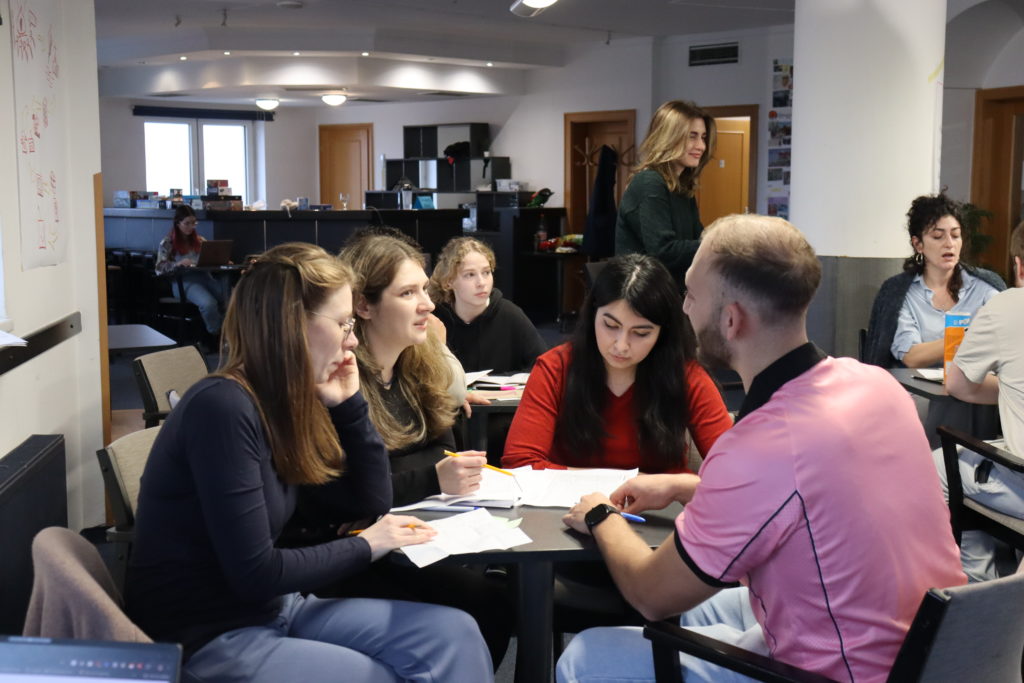
Between 10 and 18 January 2026, Kolín, Czech Republic, hosted the Erasmus+ training course “Connecting the Dots”, a 7-day international mobility focused on critical thinking and media literacy. The training brought together participants from Poland, Spain, Romania, Malta, Slovakia, North Macedonia, Germany, and Czechia, creating a diverse and dynamic space for intercultural learning and cooperation.
In today’s fast-moving information environment, where opinions, news, and narratives compete for attention, the ability to think critically is essential. “Connecting the Dots” was designed to strengthen participants’ capacity to carefully evaluate information, question assumptions, and make well-reasoned decisions based on facts rather than emotions or manipulation.
Exploring Information with a Critical Lens
Throughout the training, participants examined how information spreads across different media platforms and how it can sometimes be misleading or incomplete. They practiced breaking down arguments, distinguishing between fact and opinion, and identifying emotional triggers used to influence audiences.
Special attention was given to fact-checking and source verification. Participants explored practical tools and techniques to assess the reliability of information, cross-check data, and evaluate credibility before accepting or sharing content.
An important component of the programme focused on logical fallacies — common mistakes in reasoning that can weaken arguments. Through interactive exercises, simulations, and discussions, participants strengthened their ability to detect flawed logic and construct stronger, evidence-based arguments themselves.
Structured Thinking and Problem-Solving
Beyond media literacy, “Connecting the Dots” emphasized the development of structured thinking skills. Participants learned how to construct and test hypotheses, analyze problems step by step, and apply logical frameworks when facing complex challenges.
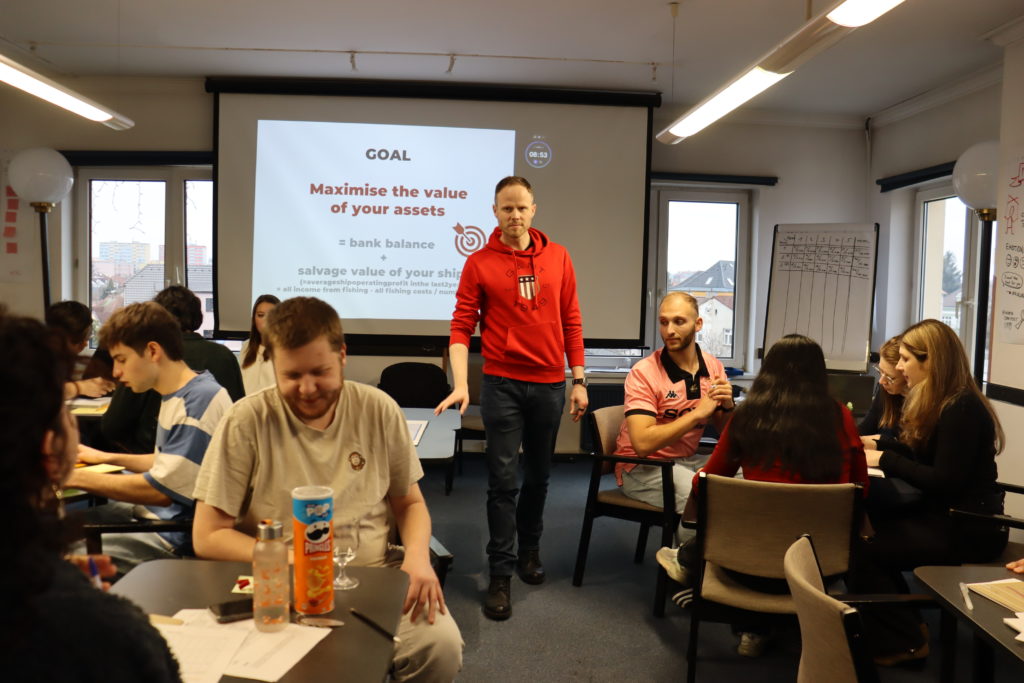
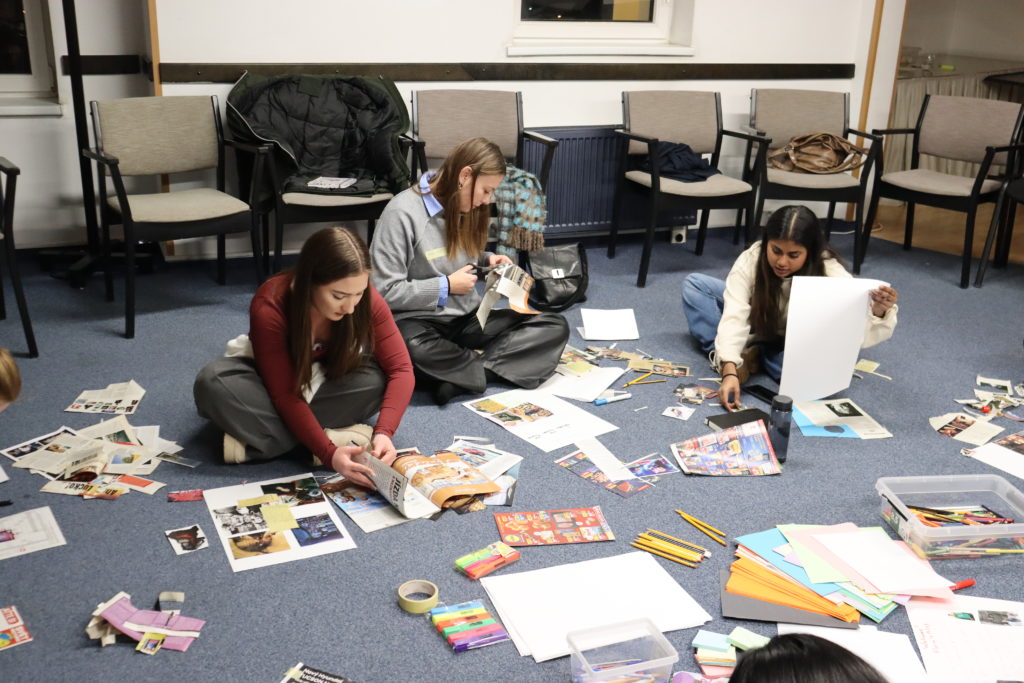
The training followed non-formal education principles, combining theoretical input with experiential learning methods. Activities included group work, debates, case studies, reflection sessions, and collaborative tasks designed to encourage active participation and peer learning.
Training Objectives
By the end of the course, participants were able to:
- Critically assess information across different media platforms
- Apply effective methods for verifying facts and checking reliability
- Identify and avoid logical fallacies in reasoning
- Construct and evaluate hypotheses using a critical approach
- Improve problem-solving abilities through structured thinking techniques
International Exchange and Lasting Impact
The participation of eight countries enriched the learning process with diverse perspectives and experiences. Discussions reflected different national realities, media landscapes, and educational contexts, allowing participants to better understand both shared challenges and unique local situations.
“Connecting the Dots” not only strengthened professional competences but also encouraged participants to become multipliers of critical thinking within their organizations and communities. By fostering analytical skills, responsible media engagement, and thoughtful decision-making, the training contributed to building a more informed and resilient European society.
🌎 Erasmus+ Training Course “Connecting the Dots” is funded by the Erasmus+ Programme.