“The Pillars of Wellbeing” – Erasmus+ Training Course 18/04/2026 – 26/04/2026
Kolín, Czech Republic
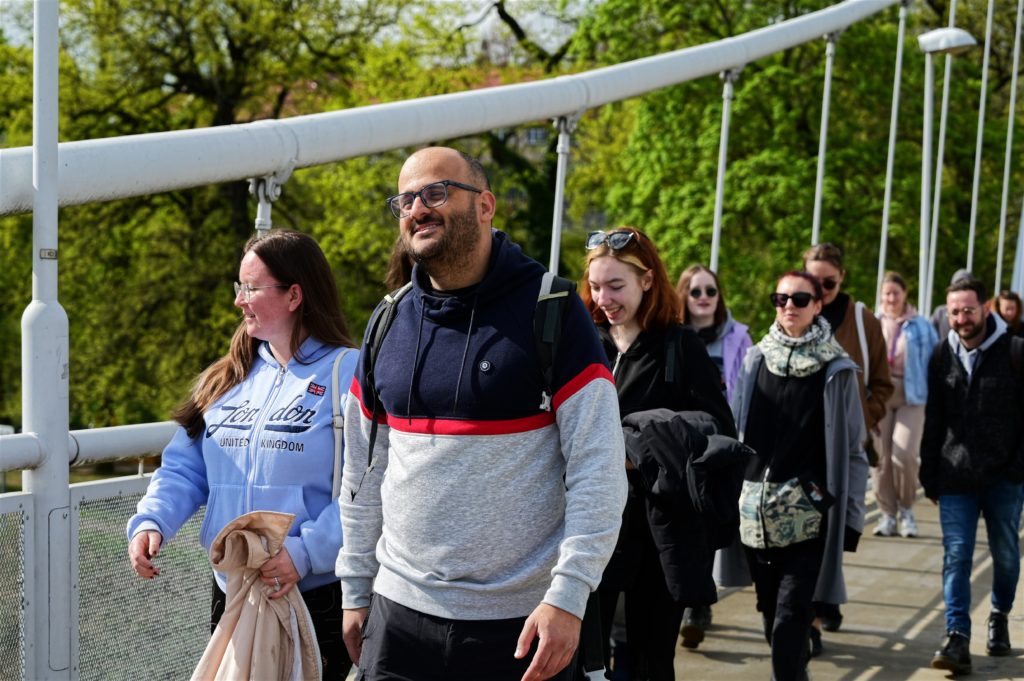
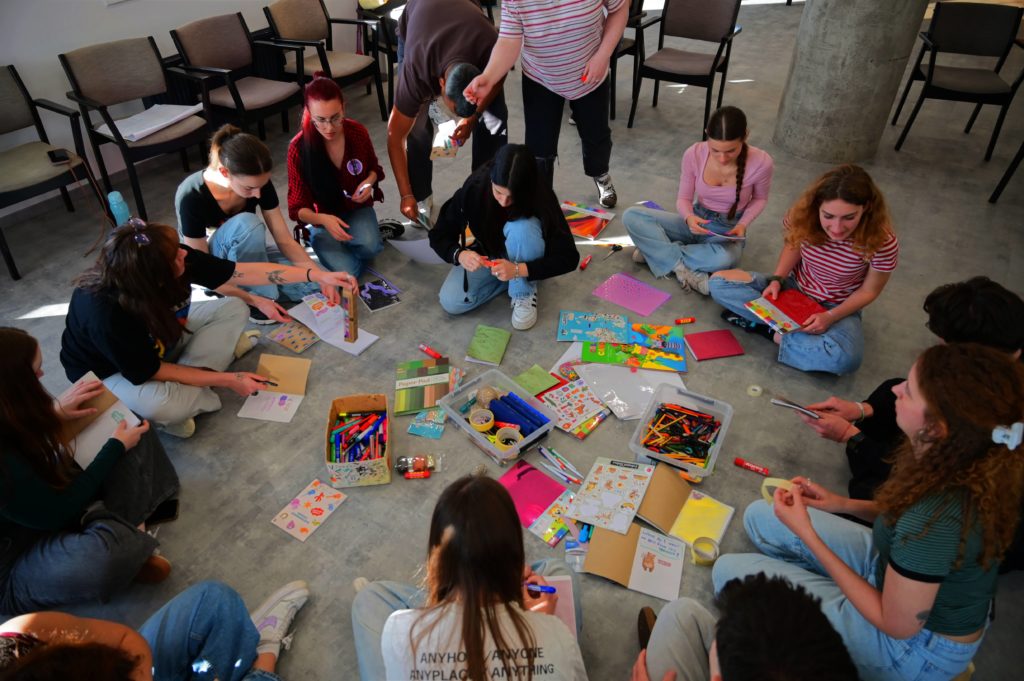
From 18th to 26th April 2026, Kolín, Czechia became a space to slow down—at least for a little while. During the Erasmus+ training course The Pillars of Wellbeing, participants gathered to explore something that often gets pushed aside in busy routines: what it actually means to feel well, and how to take care of that in real life.
Starting from Real Life, Not Theory
Wellbeing is one of those words that gets used a lot, but rarely unpacked. We hear about it, we know it matters, but it can still feel vague or out of reach. This training approached it differently—not as a concept to define, but as something personal and lived.
Instead of asking “What is wellbeing?” in a general sense, the focus shifted to “What does wellbeing look like for me?” and “What affects it in my daily life?”
Participants, coming from different corners of Europe, brought their own experiences shaped by work, relationships, expectations, and the pressures of everyday life. That diversity made it easier to see that while our situations differ, many of the challenges around stress, balance, and energy feel surprisingly similar.
The Four Pillars
At the core of the training were four interconnected areas: mental, physical, social, and financial wellbeing. Rather than treating them separately, the programme highlighted how closely they are linked. When one area is out of balance, it tends to affect the others as well.
Through reflection and discussion, participants explored how these pillars show up—or sometimes don’t show up—in their own lives. For some, it meant recognising patterns of overwork. For others, it was about noticing a lack of rest, connection, or stability.
Stress became an important part of the conversation too. Instead of seeing it as something purely negative, the group looked at how stress can sometimes be helpful—pushing us forward or helping us adapt. But when it becomes constant, it starts to take more than it gives, affecting both energy and clarity.
Learning Through Experience
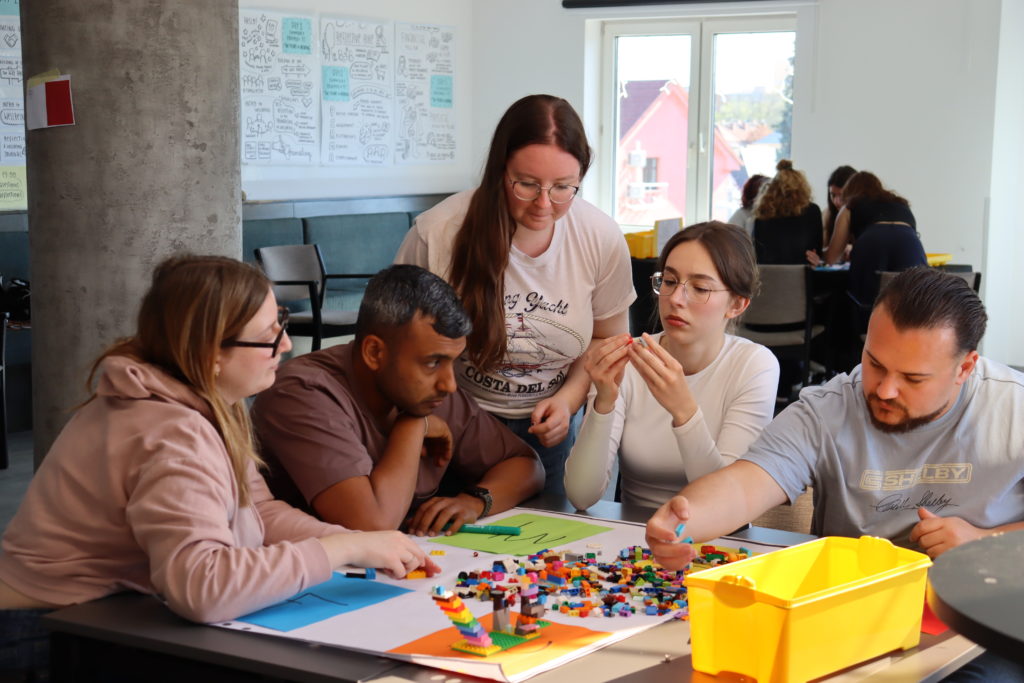
The training didn’t rely on lectures or fixed answers. It was built on non-formal learning, with space for reflection, sharing, and practical exercises. Participants were encouraged to notice how stress feels in their bodies, how their habits influence their energy, and how small changes can make a difference over time.
A strong emphasis was placed on realistic actions—not big life overhauls, but small, manageable steps that can actually stick. Whether it was adjusting daily routines, setting boundaries, or simply becoming more aware of personal limits, the idea was to make wellbeing something approachable rather than overwhelming.
From Personal Insight to Youth Work
While the training focused first on personal experience, it naturally connected to working with young people. Participants explored how they can bring these insights into their own practice—how to talk about wellbeing in a way that feels real, how to model it, and how to support young people in becoming more aware of their own needs.
This included learning to recognise stress signals, understanding how different aspects of wellbeing interact, and finding ways to communicate these ideas in simple, practical ways.
What Stays After
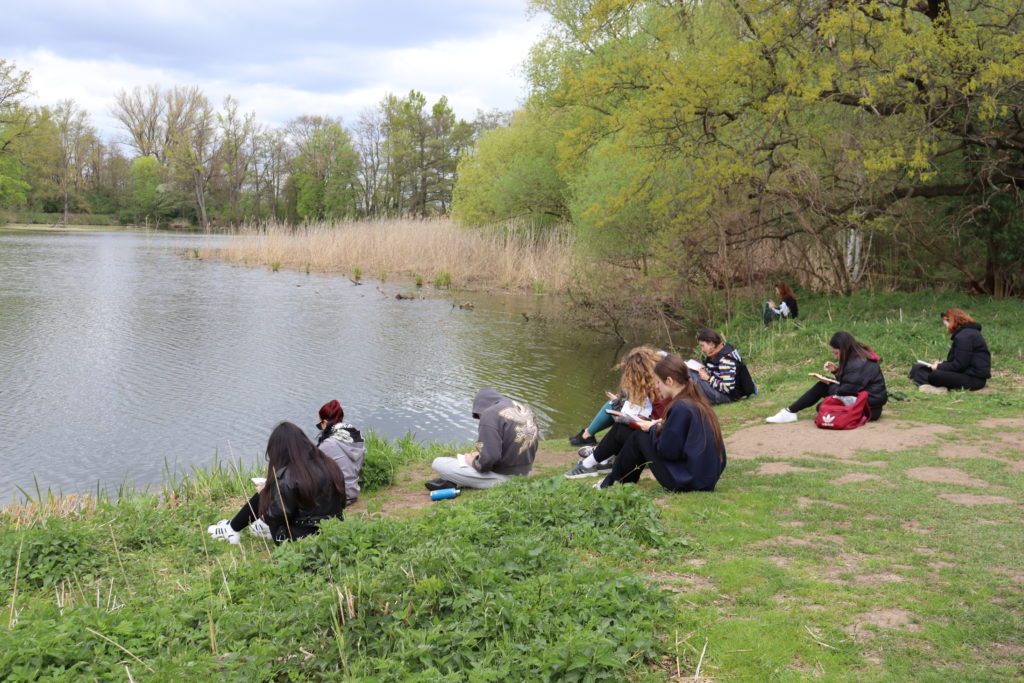
By the end of the week, there wasn’t a single definition of wellbeing that everyone agreed on—and that was kind of the point. Instead, each participant left with a more personal understanding, shaped by their own reflections and experiences.
The biggest takeaway wasn’t a specific method or tool, but a shift in perspective: wellbeing isn’t something separate from everyday life—it’s built through it, in small decisions, habits, and the way we respond to challenges.
And maybe that’s what made this training stand out. It didn’t try to offer perfect balance, but rather a more realistic approach—one that acknowledges the complexity of life, while still leaving space to take care of ourselves within it.
🌎 Erasmus+ Training Course “The Pillars of Wellbeing” is funded by the Erasmus+ Programme.